 FDM enclosed~$401
Anycubic · released 2025
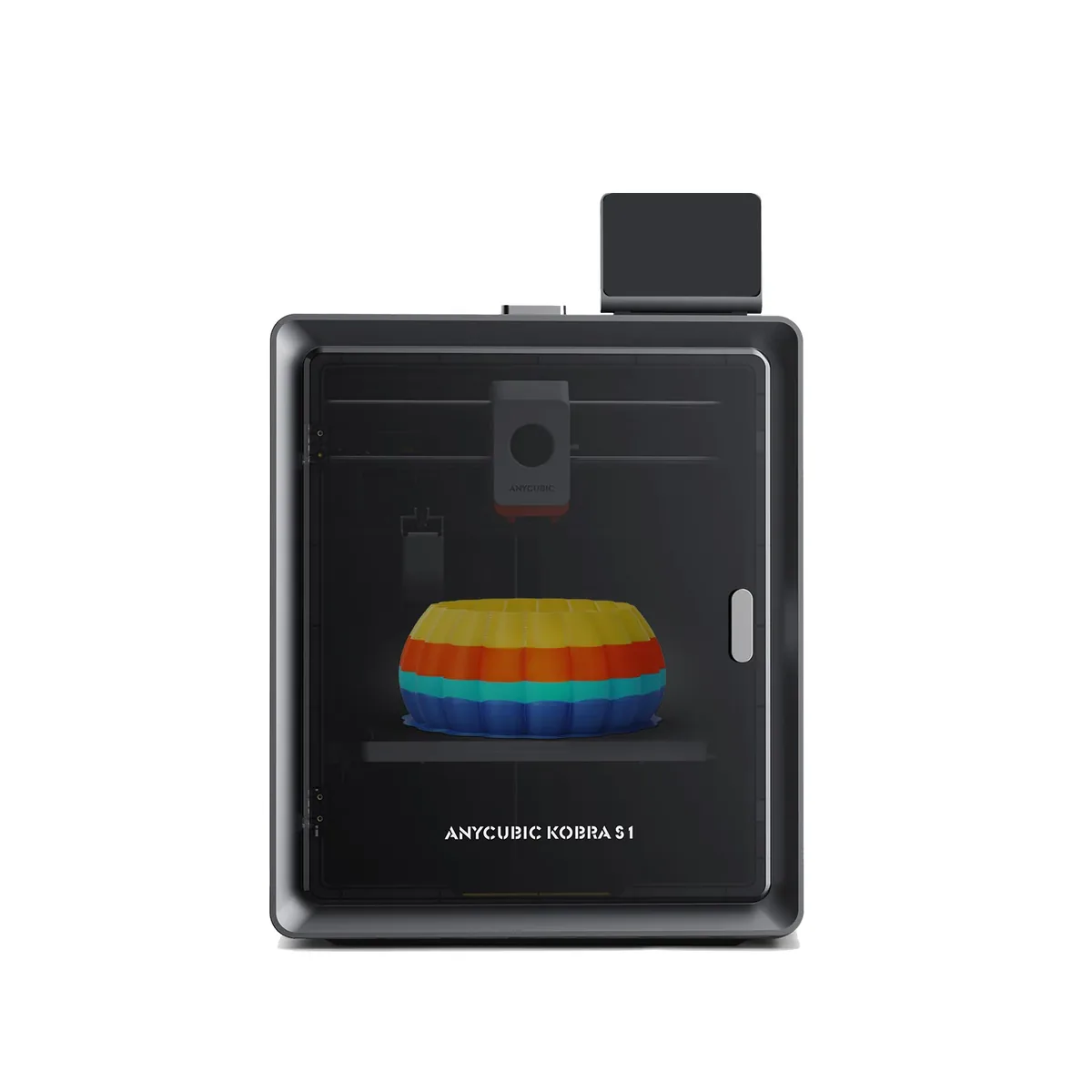
Anycubic Kobra S1
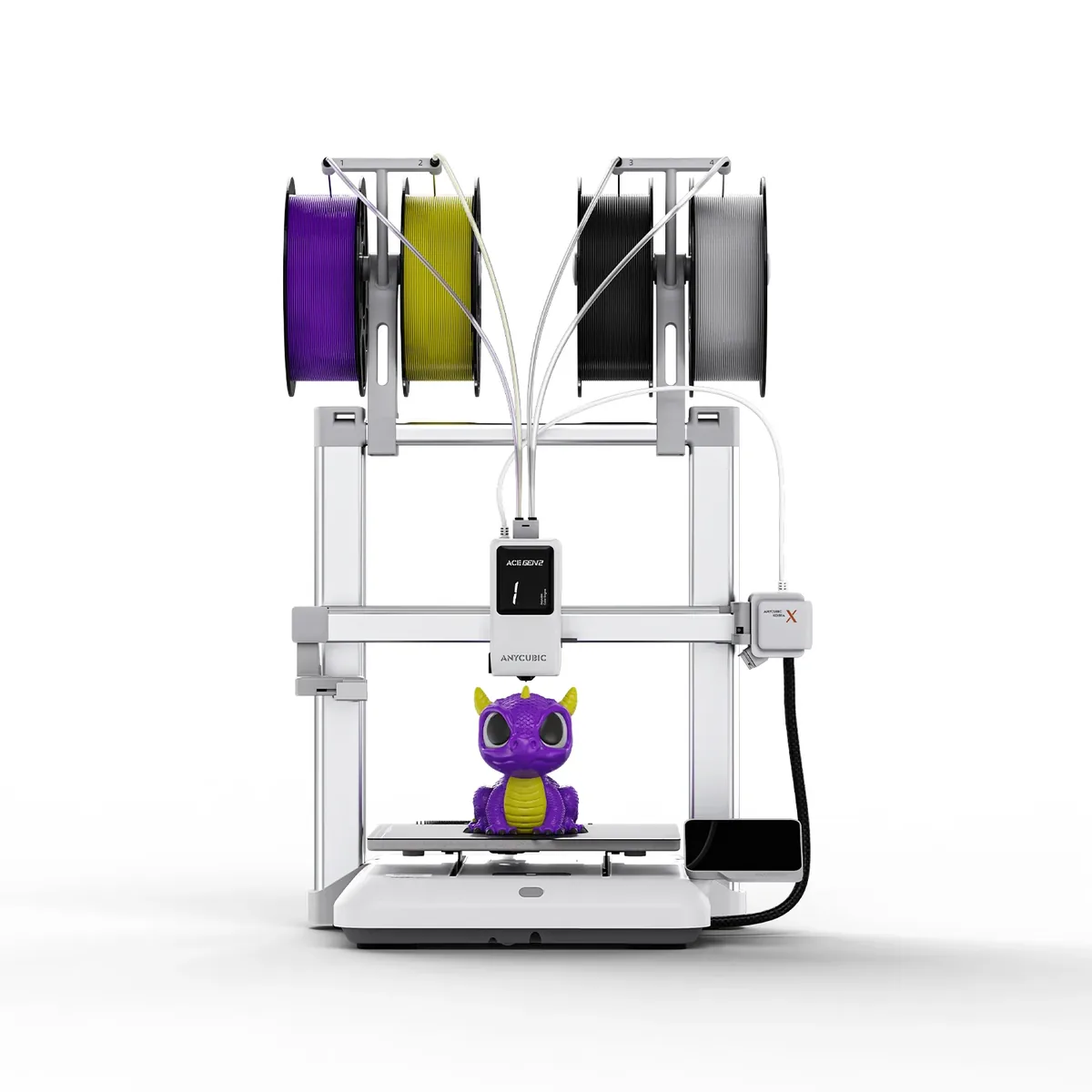
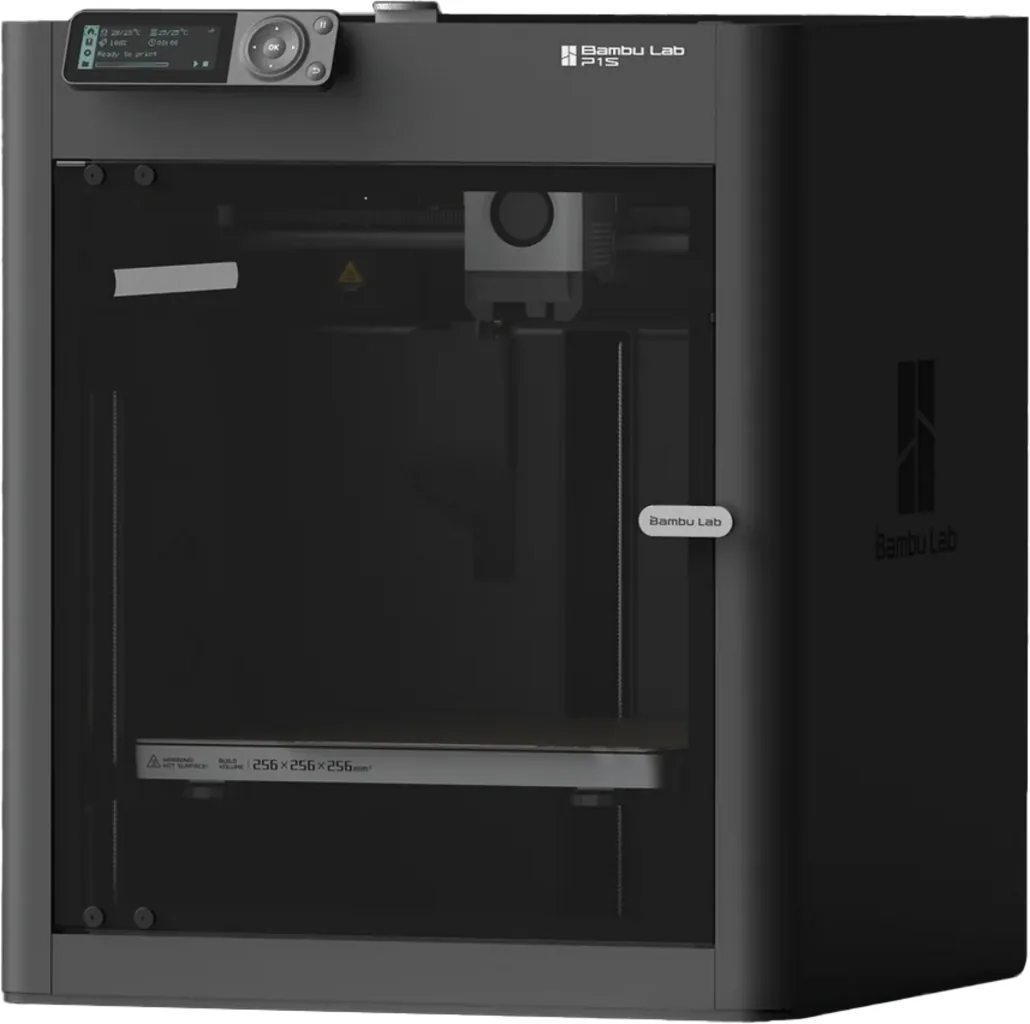
Anycubic's enclosed CoreXY answer to the P1S and Centauri Carbon runs a 320 °C hardened nozzle inside a 250 mm cube and pairs with the drying ACE Pro changer. Against the enclosed CoreXY machines it is priced with, the bed is a little smaller — 250 mm against 256 mm is trivial, but it is 15.6 litres against the Centauri's 16.8 — and it makes up ground on the ACE Pro, which dries filament in a way the Bambu AMS at this price point does not. The chamber is passive. Anycubic's software has historically been the weak link in its machines, and the slicer and app around this one are less polished than either Bambu Studio or Elegoo's OrcaSlicer fork. No flow rate is published, which leaves the 600 mm/s claim unverifiable at exactly the point where its rivals publish numbers.
- Approx. price
- ~$401
- Build volume
- 15.6 L
- Per litre
- $26
- True multi-material price
- ~$459
Real speed ceiling
Not published
Anycubic does not publish a volumetric flow rate for the Kobra S1, so its 600 mm/s claim cannot be checked against what the hotend can actually melt. We do not estimate one.
Best forEnclosed multi-colour printing where filament drying matters more than the last few millimetres of bed.
Specifications
- Build volume
- 250 × 250 × 250 mm
- Volume
- 15.6 L
- Motion
- CoreXY
- Max speed
- 600 mm/s
- Acceleration
- 20,000 mm/s²
- Max flow
- Not published
- Hotend max temp
- 320 °C
- Bed max temp
- 100 °C
- Enclosure
- Enclosed, unheated chamber
- Extruder
- direct drive
- Auto level
- strain-gauge
- Hardened nozzle
- Yes, as standard
Materials, control and build
- Multi-material
- ACE Pro, 4 slots
- True multi-material price
- ~$459 (+~$58)
- Firmware
- Klipper
- Cloud
- Optional
- Camera
- Yes
- Assembly
- Pre-assembled
- Weight
- 14 kg
- Footprint
- 400 × 400 × 480 mm
Features
- Enclosed CoreXY 250 mm cube with a 320 °C hardened nozzle
- ACE Pro four-spool changer with active drying
- Strain-gauge levelling and automatic Z offset
- Klipper firmware, camera and AI failure detection
- 600 mm/s claimed at 20,000 mm/s²
What it does well
- ACE Pro's active drying is a real advantage over the AMS-class changers at this price
- Hardened 320 °C nozzle fitted as standard for filled filaments
- Enclosed CoreXY with a camera for around $400
- Klipper underneath with strain-gauge levelling and no Z-offset fiddling
Where it gives ground
- 15.6 litres is at the small end of the enclosed machines it is priced against
- Anycubic's slicer and app are the least polished of the major ecosystems here
- Passive chamber, so ABS and ASA at size still warp
- No published flow rate where both Elegoo and Creality rivals publish one
- 100 °C bed is cooler than the 110 °C Centauri competition
The points above are read off published specifications, not from owner reports.
What owners report
Drawn from owner discussions in 3D-printing communities, not from our own testing — this site has no test lab.
What owners like
- The combo price is aggressive enough that it lands on almost every first-printer shortlist in its bracket
- ACE Pro's active filament drying is a real differentiator against changers that are just spool holders
- Enclosed CoreXY with a camera and a hardened nozzle at a price where at least one of those is usually missing
- Owners who get it working report the output being competitive with the obvious alternatives
Common complaints
- Failure rate is the dominant complaint — one detailed owner account describes roughly a dozen failed prints against two successes in a day, using settings that had previously worked
- Layer quality and overhangs give owners trouble that survives extensive setting changes, including slowing a 3.5-hour print to 11 hours without fixing it
- Bed warping is discussed as a known model issue that prospective buyers specifically ask whether Anycubic has fixed
- Anycubic's broader support and quality-control reputation weighs on it — the most-read threads about the brand are about defective units and how complaints were handled
- Refurbished units come up in problem reports, which is worth knowing given how often they are discounted
The Kobra S1 competes directly with Elegoo's Centauri Carbon and owner discussions treat those two as the decision, usually at a similar price. On paper the Anycubic case is strong: enclosed CoreXY, hardened nozzle, camera, and the ACE Pro changer whose active drying genuinely distinguishes it from changers that merely hold spools.
The owner reports are where it comes apart. The most detailed accounts describe failure rates that are hard to explain away — a dozen failed prints against two successes in a day, using settings that had worked before. Layer quality and overhang problems survive extensive tuning, including one owner slowing a 3.5-hour print to 11 hours without resolving it. Bed warping is discussed openly enough that prospective buyers ask whether Anycubic has fixed it yet, which tells you how established the issue is.
The brand context matters here too. The most-read threads about Anycubic in these communities are about defective machines and how the company handled the complaints, including one widely circulated account involving a young buyer and an acknowledged faulty unit. That reputation is part of what owners weigh when choosing between this and its Elegoo rival.
Questions owners ask
+Kobra S1 or Elegoo Centauri Carbon?
This is the comparison owners actually make, usually at similar money. The Kobra S1's advantage is the ACE Pro changer with active drying being available now. The Centauri Carbon's advantage is a better owner-reported reliability record and a published flow rate. Where both are available, owner sentiment leans toward the Elegoo on reliability.
+Has the bed warping issue been fixed?
Prospective buyers ask this specifically, which is itself the answer about how well known it is. Reports persist, so if you buy one it is worth checking bed flatness early — while a return is still possible — rather than assuming a first-layer problem is your technique.
+Why do so many of my prints fail?
High and erratic failure rates on settings that previously worked is the most common serious complaint about this machine. Owners check bed flatness, the filament path through the ACE Pro, and whether the printer is on a stable surface. If failures are frequent and inconsistent rather than reproducible, it is worth treating as a possible hardware fault while you can still return it.
+Is the ACE Pro worth having?
Its active drying is a genuine advantage — damp filament is a leading cause of failed long prints, and most changers at this price do nothing about it. The trade is the usual single-nozzle purge waste on colour changes, plus more filament path to jam. Owner reports of problems on the combo specifically are worth reading first.